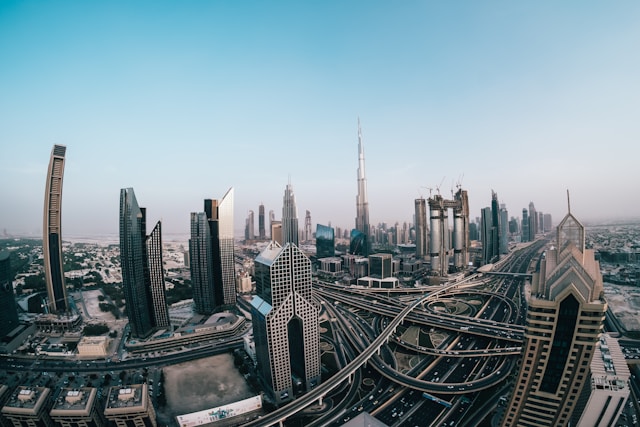
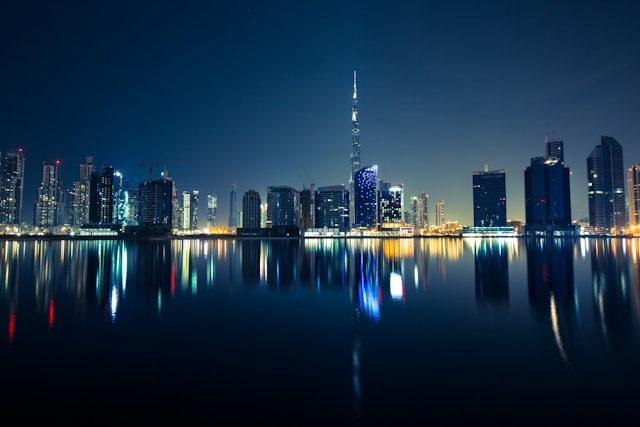
Dubai is famous for its hot weather, bright sunshine, and modern architecture. While the climate is ideal for outdoor activities for much of the year, it can be extremely demanding on buildings and, particularly, their roofs. High temperatures, intense UV radiation, dust, sand, and occasional heavy rainfall can all contribute to roofing problems.
Understanding these challenges can help property owners choose suitable materials and take preventative measures to keep their roofs in good condition.
Extreme Heat and Temperature Changes
Extreme heat is one of the biggest challenges facing roofs in Dubai. During the summer months, temperatures can become exceptionally high, causing roof surfaces to absorb large amounts of heat. This constant exposure can accelerate the ageing of many roofing materials.
Repeated expansion and contraction caused by temperature changes can eventually lead to cracks, gaps, and other forms of deterioration. Over time, these problems may allow moisture to enter the building and cause more serious structural damage.
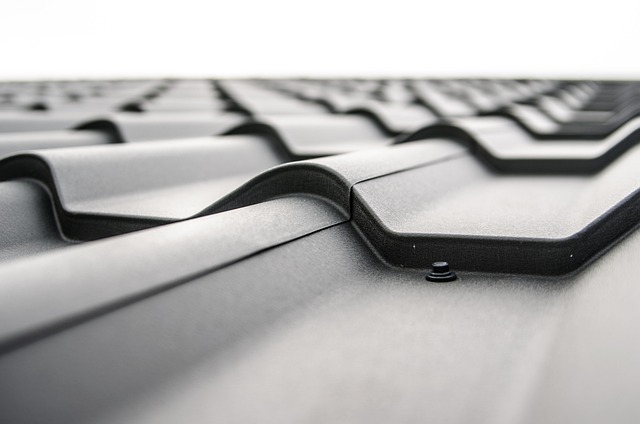
Using roofing materials designed to withstand high temperatures can significantly improve durability. Reflective or heat-resistant surfaces can also help reduce heat absorption and keep indoor spaces more comfortable.
Damage Caused by UV Radiation
Dubai’s roofs are exposed to strong sunlight throughout most of the year. Prolonged UV exposure can gradually break down roofing membranes, coatings, sealants, and other materials.
Signs of UV-related damage may include fading, cracking, brittleness, or deterioration of protective coatings. Regular inspections can help identify these issues before they develop into leaks or expensive repairs.
Dust and sand are another common concern. Fine particles can accumulate on roof surfaces, around vents, and inside drainage systems. When drainage outlets become blocked, water may remain on the roof instead of flowing away properly.
Regular cleaning and maintenance can prevent unnecessary strain on the roofing system. Property owners should also check gutters, drains, and other water outlets regularly, especially before periods when heavier rainfall is expected.
Sudden Heavy Rain and Water Damage
Although Dubai has a predominantly dry climate, heavy rainfall can occur unexpectedly. A roof that has been designed primarily for dry conditions may experience problems if drainage systems are poorly maintained or waterproofing has deteriorated.
Standing water can put additional pressure on roofing materials and increase the risk of leaks. Effective waterproofing, proper roof slopes, and functioning drainage systems are therefore essential.
Choosing the Right Roofing Materials
The materials used on a roof should always be suitable for the local climate. In Dubai, this means considering resistance to heat, UV radiation, dust, and occasional heavy rain.
Good insulation is also important because it can reduce the amount of heat transferred from the roof into the building. This can make indoor spaces more comfortable while potentially reducing the demand for air conditioning.
These considerations are relevant beyond the Middle East as well. Australian homes, particularly those in hotter regions, can face similar challenges from intense sunlight and high temperatures. Homeowners looking for professional advice can benefit from speaking with experienced Australian roofers who understand the demands of hot and changing climates.
The Importance of Regular Roof Maintenance
Even the best roofing system requires regular maintenance. Small cracks, damaged sealants, blocked drains, or deteriorating coatings can become much larger problems when they are left untreated.
Routine inspections allow property owners to identify potential issues early and address them before they result in leaks or costly structural damage. In a climate as demanding as Dubai’s, preventative maintenance is one of the most effective ways to extend the life of a roof.
Conclusion
Dubai’s harsh climate presents several unique challenges for roofing systems. Extreme heat, intense UV exposure, dust, sand, and occasional heavy rainfall can all contribute to premature deterioration.
Choosing appropriate materials, ensuring proper insulation and waterproofing, maintaining drainage systems, and scheduling regular inspections can help protect a roof from these conditions. With the right approach to design and maintenance, property owners can improve roof durability, reduce repair costs, and keep their buildings protected for years to come.